
Reframing protein through new communications strategies
The narrative around protein is, unsurprisingly, changing – largely in response to the ongoing fluctuations in whey prices and the wider economic pressures brands are facing.
While whey continues to dominate the headlines, naming conventions and shelf space, what's happening beneath the surface isn't always quite so straightforward. Because once you start looking at the nitty-gritty details, it becomes clear that whey-led propositions aren't necessarily just whey – other protein sources are increasingly creeping their way into formulations.
Meanwhile, other brands are using whey as a direct point of comparison to substantiate alternative plant-based or dairy-led propositions. And then there are brands that aren't shying away from the economic realities of the current whey market, going as far as to explicitly communicate the rationale behind their latest formulation decisions.
In many ways, we're seeing an interesting shift. What initially manifested as brands increasing prices or reducing packsizes is now evolving into a broader reconsideration of protein formulations, sourcing strategies and product propositions.
Rather than simply passing higher costs on to consumers, some brands are exploring alternative protein architectures to maintain affordability, introduce additional functionality or create something distinctly different in response to the current economic landscape.
So, what's the latest ‘so what’ in protein innovation as whey economics continue to reshape the category?
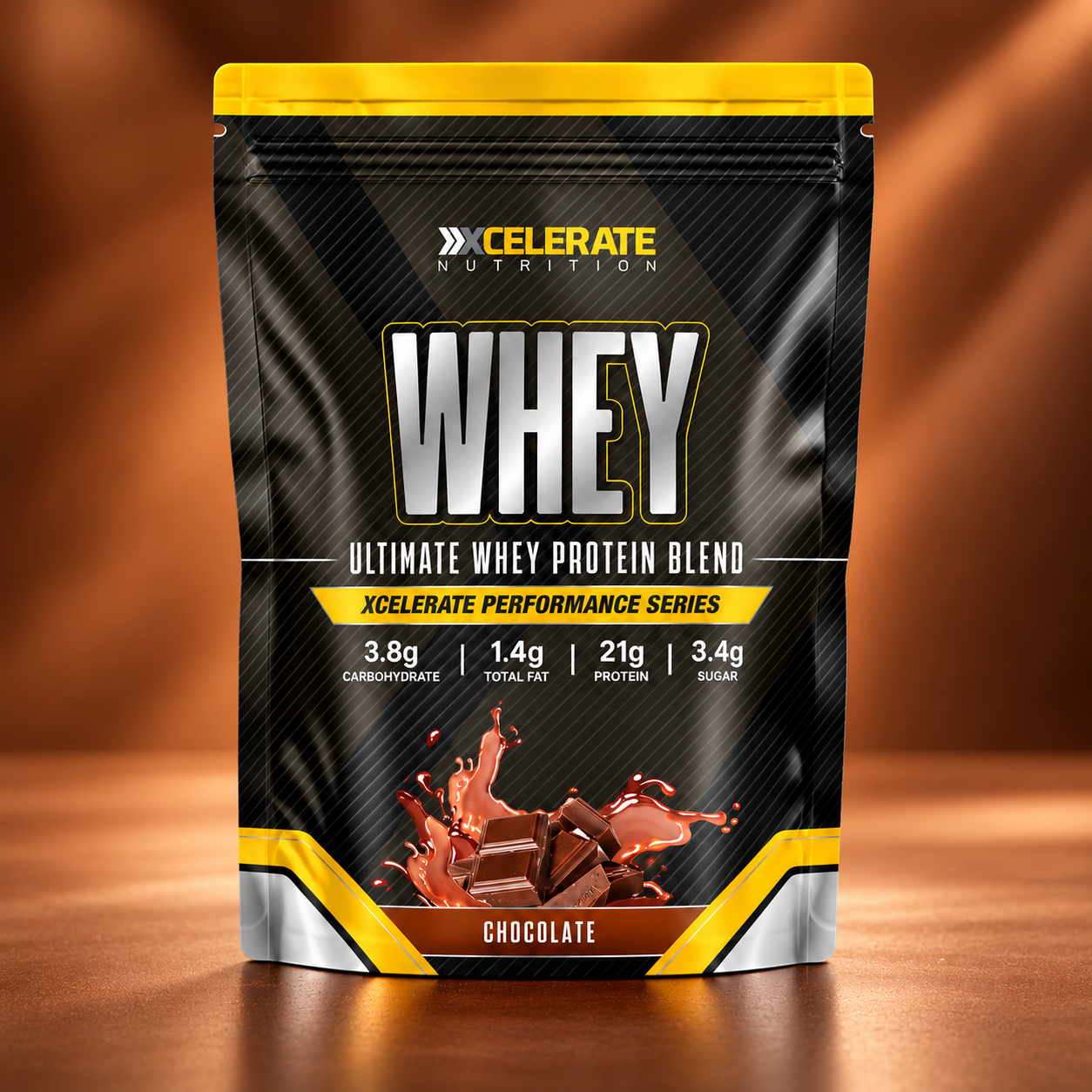
First, brands continue to explicitly frame products as whey, yet the formulation says otherwise. Take XCELERATE NUTRITION ’s aptly named WHEY , which despite the explicitly whey-led naming convention incorporates a tri-phase protein matrix combining pea protein isolate, WPC and hydrolysed wheat protein. While whey remains the headline ingredient from a communication perspective, the formulation itself extends beyond dairy protein.
Importantly, this particular blend appears only across selected flavours within the range, suggesting that the underlying protein architecture isn't necessarily consistent across every variant. But it’s yet another reminder that naming conventions don’t always tell the complete protein story.
You've reached the end of the community edition of this article
Every week, our team publishes 5 new articles for our ANIE Insights subscribers, covering ingredients, flavours, and categories that are trending in the market.
We provide a cut-down version of one of these articles as a "community edition” each week, which we make available via this website and email to our subscribers. You can browse all our community edition articles right now, and don’t forget to subscribe to get the latest delivered directly to your inbox.